Posts to the OMER blog do not have any length or topical restrictions. They are edited before publication by the OMER team, but they are not necessarily peer-reviewed, unlike articles printed in our annual review. Published blog posts reflect the views of their authors alone, and do not represent official views of the Oxford Middle East Review and its editorial team.
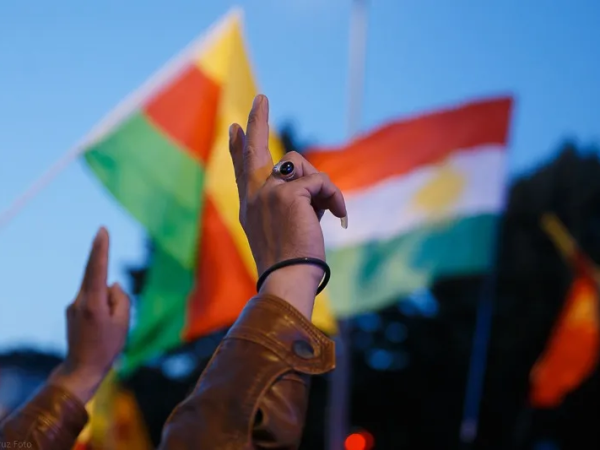
Europe Needs an Independent Syria Policy: Why Supporting the Kurds Matters More Than Ever
Cudi Zerey analyses the role of the Kurdish self-administration in Syria, highlighting its importance for security and stability in the North and East of Syria. Exploring how US and EU interests in Syria are increasingly diverging, he argues that the EU should adopt a more independent Syria policy by actively supporting Kurdish self-administration.
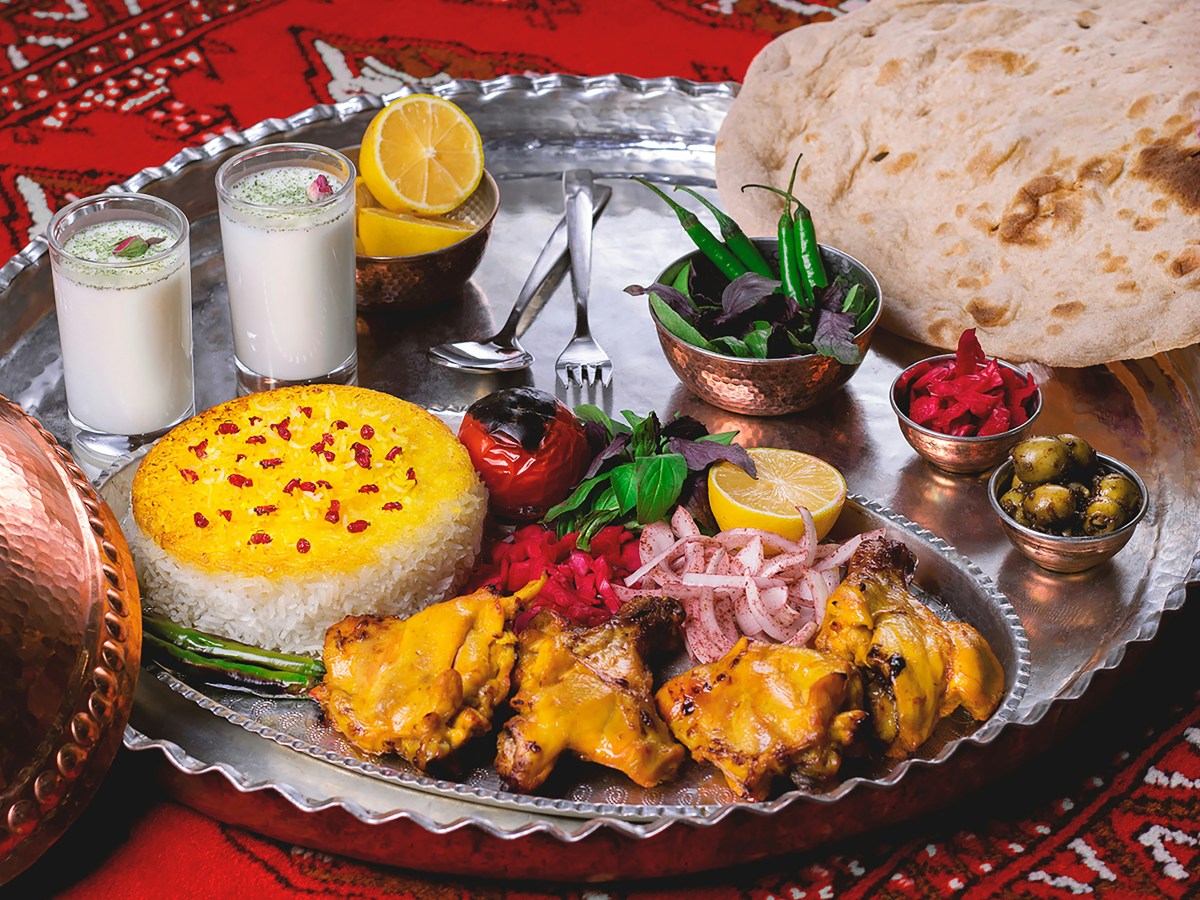
Soft Power on a Plate: Gastrodiplomacy in Iran and Culinary Diplomacy within the Iranian Diaspora
By Clarke Dickens, University of Pennsylvania In 1979, Iran’s Revolution led thousands of religious and ethnic minorities to flee Iran. Additionally, the arrival of a Shi’a Muslim theocracy in Iran severed relations with several surrounding, mostly Sunni, Middle East countries. Decades later in 2024, tucked in the corner of a local Cairo restaurant, “Abou Tarek,” the Iranian Deputy Foreign Minister,…
In Conversation with Nowhere
In this piece, memories of an unexpected gift of ISIS-minted dinars arouse questions around authority and what it means to be a state. Maya Yamout and Dr. Steve Garner from Swansea University’s Department of Sociology talk us through what currency represents for the state, and specifically, what it can tell us about ISIS’s understanding of their own authority at their…

In the Name of the Currency: Coins and the Caliphate
In this piece, memories of an unexpected gift of ISIS-minted dinars arouse questions around authority and what it means to be a state. Maya Yamout and Dr. Steve Garner from Swansea University’s Department of Sociology talk us through what currency represents for the state, and specifically, what it can tell us about ISIS’s understanding of their own authority at their…

Syria in Transition: A Struggle to Find Peace
In this piece, Muhammad Numan gives his opinion on the Syrian transition, drawing comparisons between the collapse of the security services following the removal of Saddam Hussein in Iraq and the fall of Bashar al-Assad.
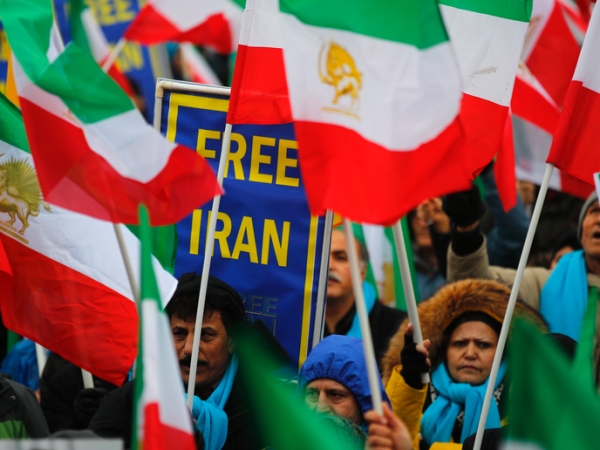
Misled by Regime-Change Lies: The U.S. Government and the Iran War Trap
Behnam Zoghi Roudsari guides us through how recent tensions between Iran and the USA have given rise to unrealistic expectations in the West for widespread support for regime change inside the Islamic Republic.

The Talysh People
In this piece, Eva Morgan recounts her experiences with the Talysh people who live on the border between Iran and Azerbaijan, shining light on the tensions between national identities and geopolitical competition.

Will Israel’s Attacks Reconstitute Dynamics between Subjects and the Sovereign in Iran?
Benjamin Netenyahu has argued that his attacks on Iran have proceeded with the aim of “regime change for the benefit of the Iranian people”. In this article, Zahra Alipour explores how interviews from inside Iran reveal that the attacks have, in fact, had the opposite effect, bringing critics of the Islamic Republic’s policies towards Israel closer to the regime.
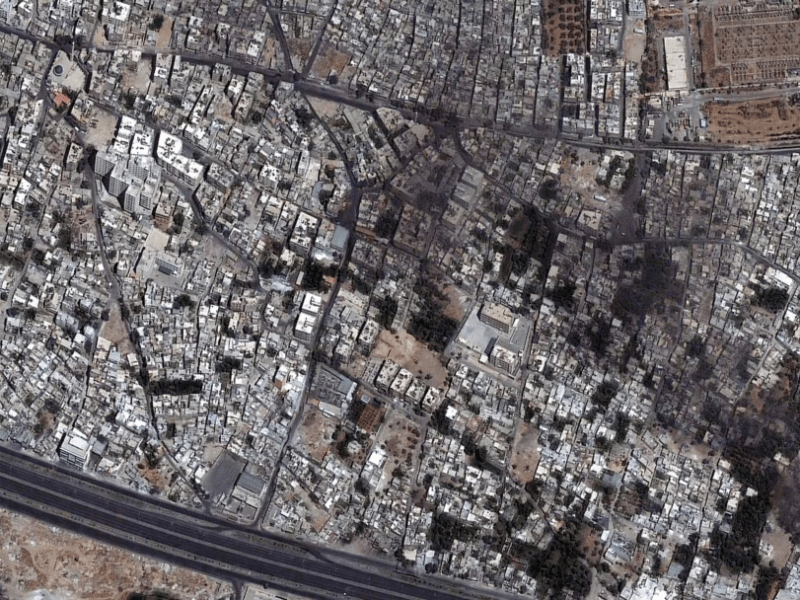
The Hidden Nerve Centre of Assad’s Crackdown: Syria’s Crisis Cell
Until its fall at the end of last year, questions remained of how the Assad regime maintained its control in Syria in the face of growing instability and opposition. In this article, Rashed Alsenan explores how the Central Crisis Management Cell came to be the “heart” of the regime’s command structure and play a crucial role of the events of…
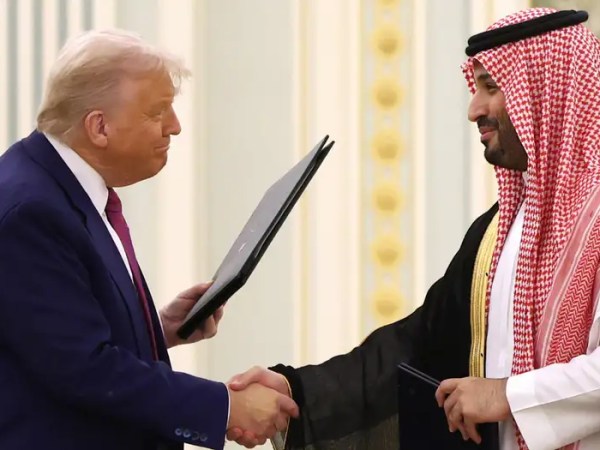
Commerce, Not Chaos: A New Vision for the Middle East
In this piece, Farrell Gregory discusses US President Donald Trump’s recent visit to the Gulf, analysing how the visit reflects the new administration’s vision for regional security, stability, and, importantly, increased commercial collaboration between the USA and its Arab partners.

A Dictator’s Blueprint: How Bashar al-Assad Engineered His Survival
In this piece, analyst Priyanka Lohia describes the mechanisms used by former Syrian dictator Bashar al-Assad to keep his grip on power in Syria for decades in the face of popular pressure against his rule, before outlining some of the reasons for his fall at the end of last year.

The Limits of Language and the Edge of Expression
“Language, as a system of meaning, is both an enabler of expression and a constraint of thought. The limits of language raise profound questions about the nature of communication, interpretation, and the inexpressible.” In this piece, Dr Elad Giladi explores the interplay between language and art, inviting us to reflect upon the relationship between linguistic choices and power dynamics in…
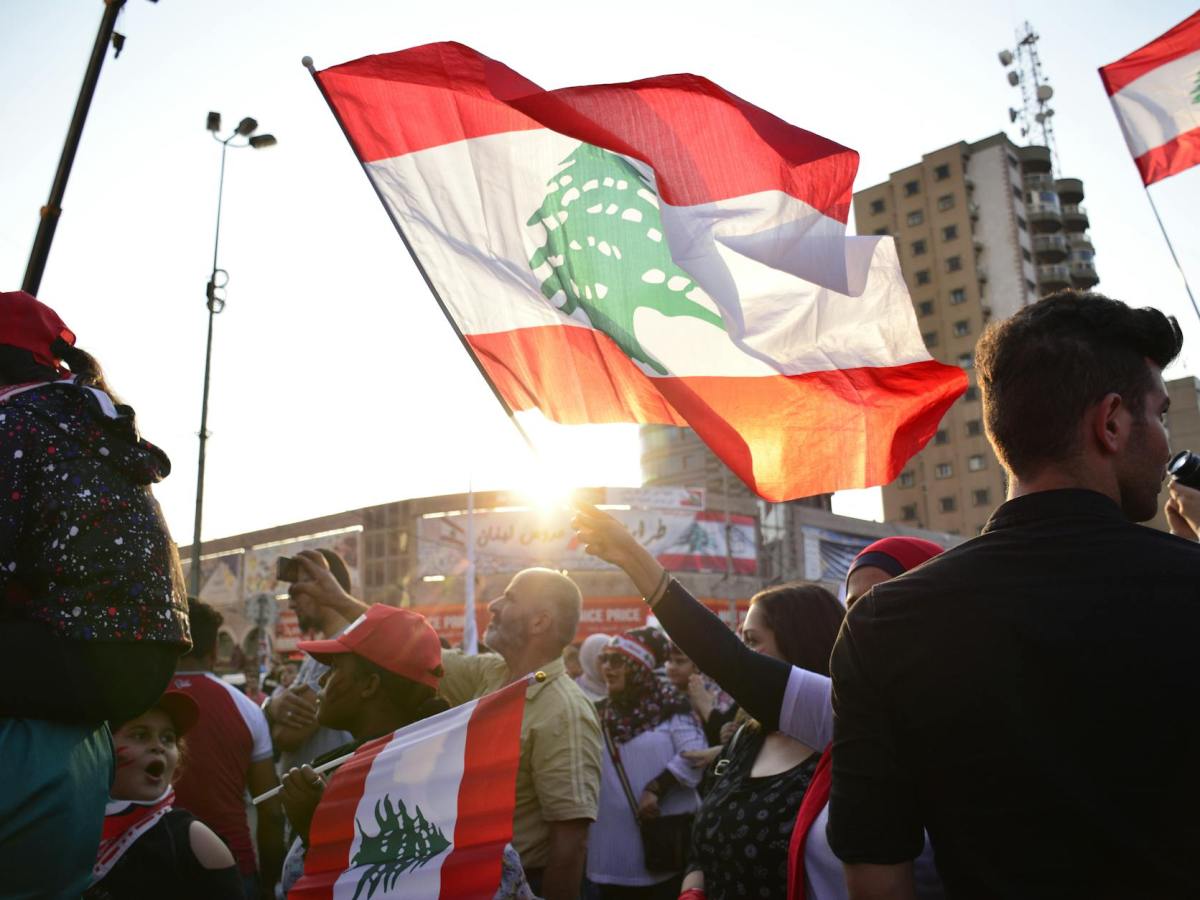
Joseph Aoun Takes Office: What Does This Mean for Lebanon?
After two years of political uncertainty and stagnation, Lebanon has finally elected Joseph Aoun as president. In this piece, Dana AlOrainan outlines the economic and social challenges the new president has to face, and outlines how his background gives cautious optimism about his chances of solving them.
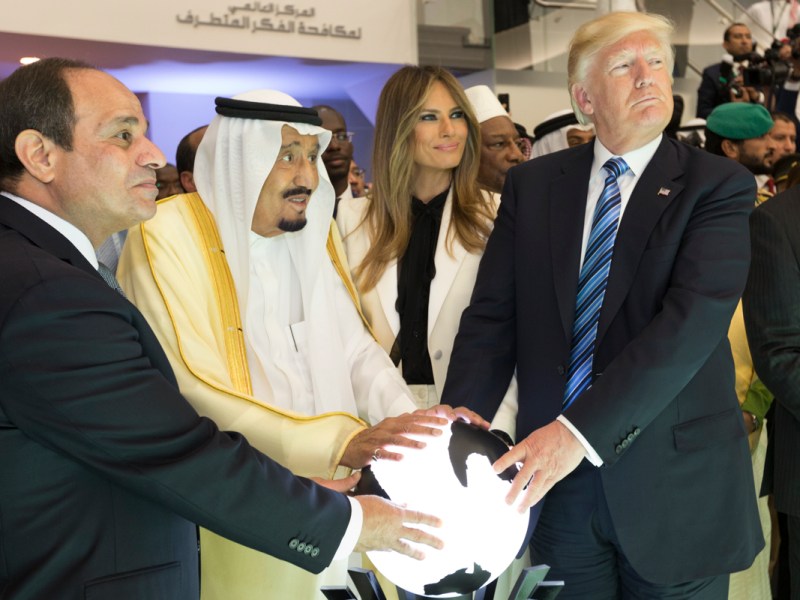
Realpolitik or Ruin? Trump’s Middle East Policy and the Shifting Global Balance
On the 20th of January this year, Donald Trump will re-enter the White House for a second term as President of the United States. In this article, Muhammad Siddique Ali Pirzada reviews Trump’s policies in the Middle East during his first term, and outlines what may change (or remain the same) this time around.

The Gulf’s Approach to a New Syria: Proceed with Caution and Care
As Western media and officials approach the new Syrian transitional government cautiously, the Gulf States share their caution with an eye for security and stability in Syria. Mahdi Ghuloom gives an inside view of the GCC state’s attitudes towards the Syrian transition and casts a cautious eye over the future of bilateral relations.

Beyond Resistance: How Iranian Women Are Leading Change
In light of the broad publicity given in Western media to highly visible protests against dress codes in Iran, as recently as November this year, Behnam Zoghi Roudsari asks whether focus on such visible acts of defiance risk overlooking other avenues of progress.
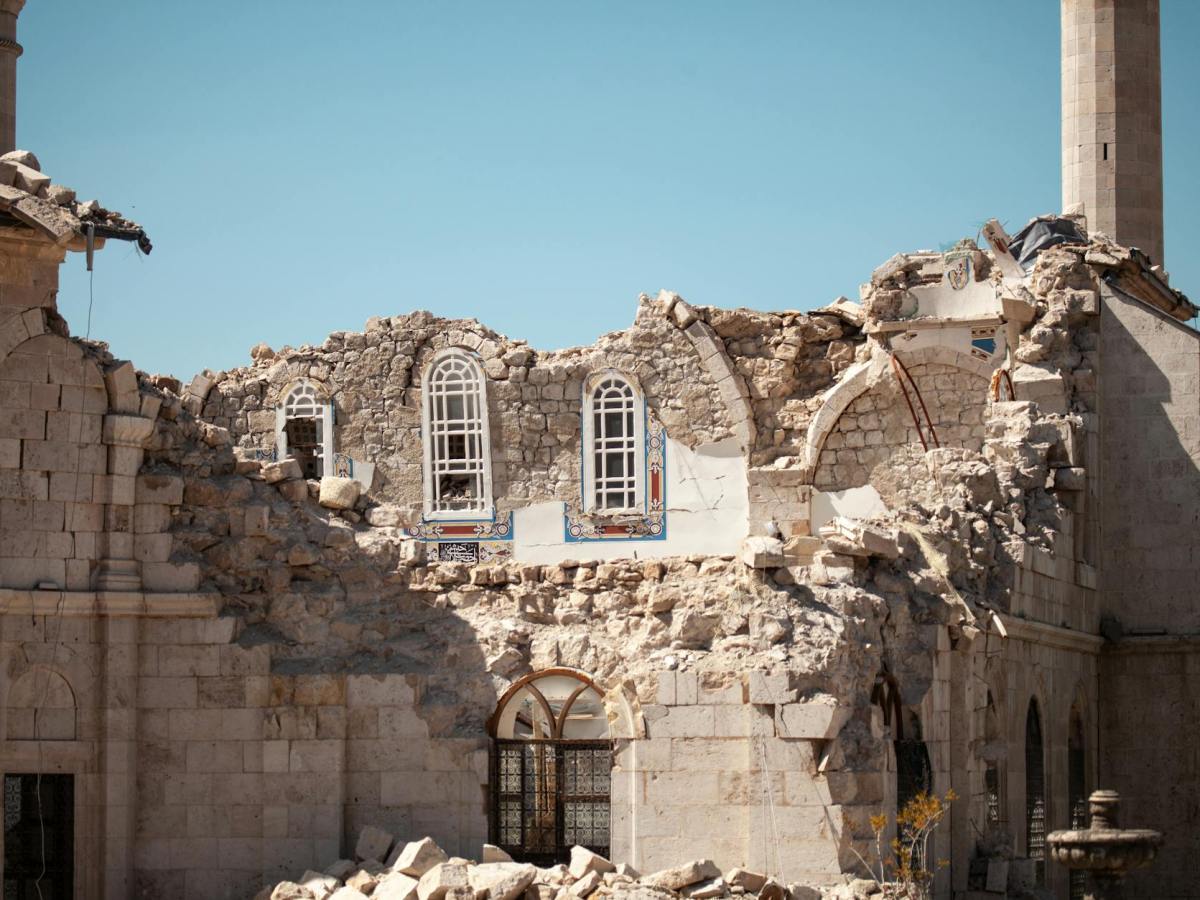
Yemen at the Crossroads: The Houthis, Iran, and Saudi Arabia Under the Spotlight
Alabbas Alsudani takes us through the history of the current conflict in Yemen, highlighting its central position in regional geopolitics. Written before the fall of the Assad regime, this piece focuses on the political alliances and rivalries that have continued to fuel instability in Yemen, whilst giving a tentatively hopeful outlook for the future.
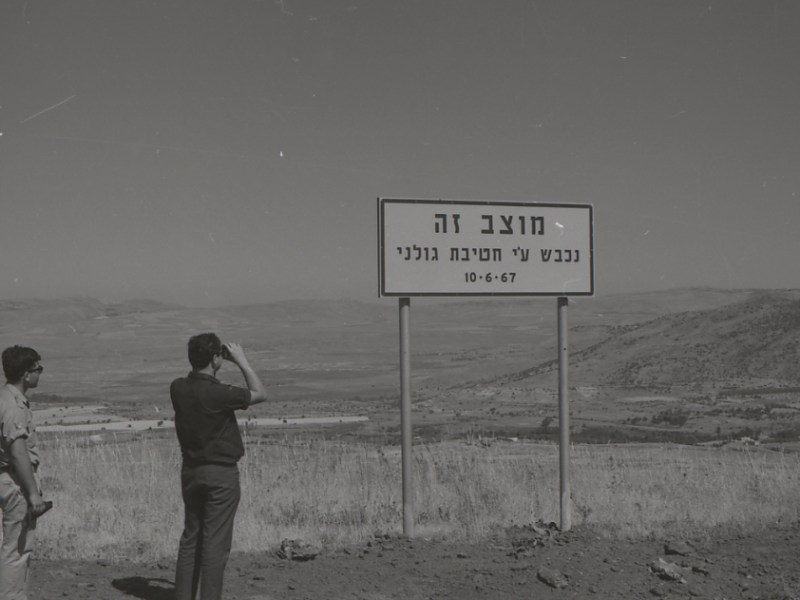
Syria, Israel, and the Golan Heights
The rapid collapse of the al-Assad government in early December 2024 has thrown the future of the Golan Heights into question. Shamsher Bhangal explores the history of this long-running dispute, with an eye to the future in light of the momentous changes taking place in the region.

From the Streets to the Screen: The Intersection of Digital Governance and Dissent in the Middle East and North Africa
The evolution of the digital sphere and the rise of its technologies, particularly within the Middle East and North Africa (MENA) region, has brought about significant changes in both the landscape and modality of protest movements and civil resistance campaigns. Accordingly, autocratic regimes across the region have actively shifted their governance strategies and adopted increasingly sophisticated digital governance strategies.
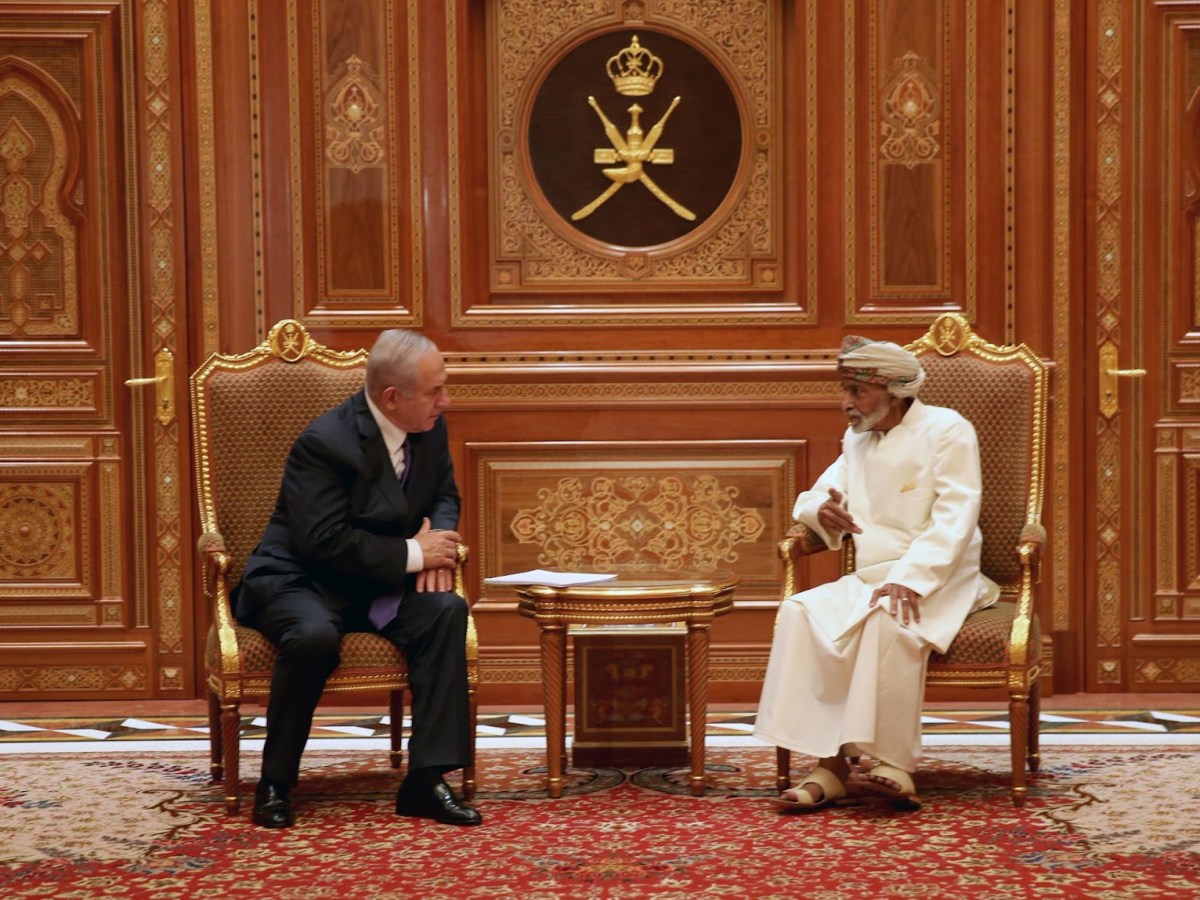
The Shaky Visage of Gulf Neutrality: Are Divisions over Israel too Great for Oman and the GCC to Bear?
By Hamza Woodson As Israel’s intensive bombardment and ground invasion of Gaza continues into its ninth month, a multitude of state and non-state actors throughout the region and across the world are more fervently calling for an immediate ceasefire. A number of these entities, including nationalised militant groups such as Hezbollah in Lebanon and the Shia Houthis of Yemen, are…
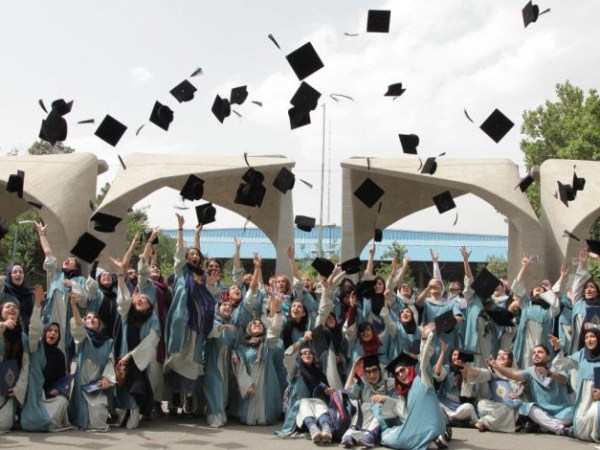
Caught in the Crossfire: The Toll of Western Sanctions on Iran’s Women’s Rights Movement
By Behnam Zoghi Roudsari We live in an era where rarely a day passes by without headlines heralding breakthroughs in warfare technology. Tanks, drones, and missiles command a steadfast portion of our attention and a substantial portion of our tax dollars. Yet, amidst these conspicuous instruments of warfare, another, less visible tool of conflict remains at play, wielded by European…
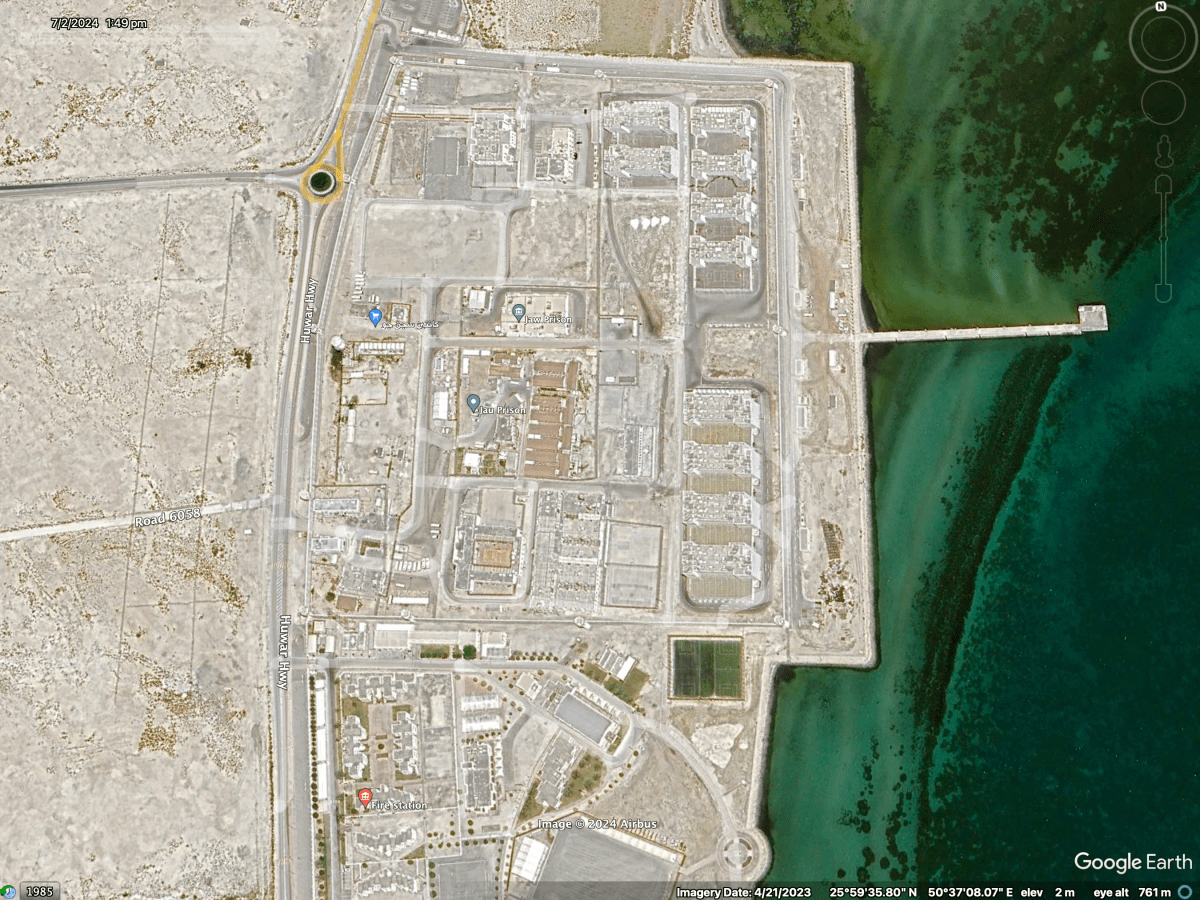
An Inside Look into Bahrain’s Prison Reform Laws: 10 Years of Failed Implementation
By Ali Al-Hajee Ali Al-Hajee spent ten years and sixteen days in prison in Bahrain, the majority of it in the notorious central Jau reform and rehabilitation centre. He was arrested on 20 May 2013, subjected to brutal torture, sentenced to ten years in prison on 28 May 2014, and released on 2 June 2023. During his time in detention,…
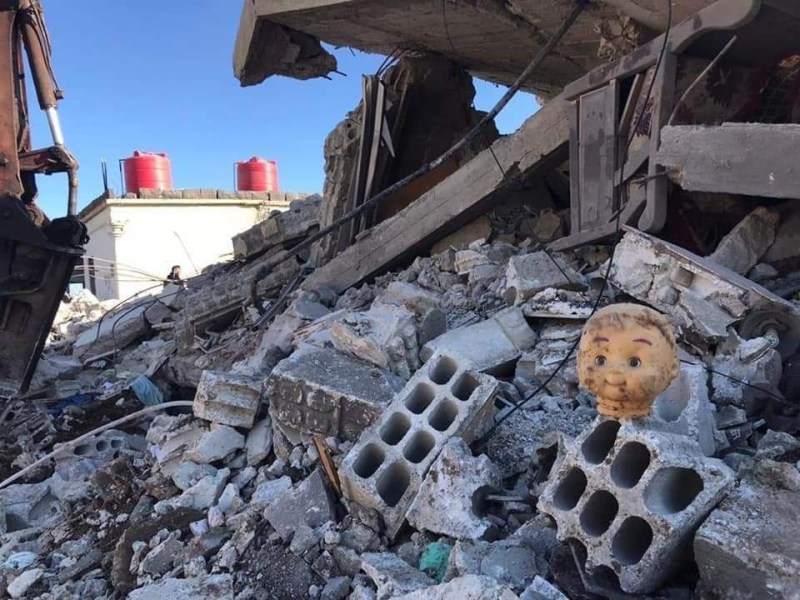
The Endless Innovation of Syrian Authoritarianism
By Suzanne Abou Omar su.abouomar@gmail.comMSc in Modern Middle Eastern Studies, St Antony’s College, University of Oxford From live ammunition to barrel bombs and chemical weaponry, keeping track of the conflicting parties and methods costing ordinary Syrian civilians their lives has been challenging. However, on January 18, 2024, a new addition was made to the list: drug trafficking. After the…
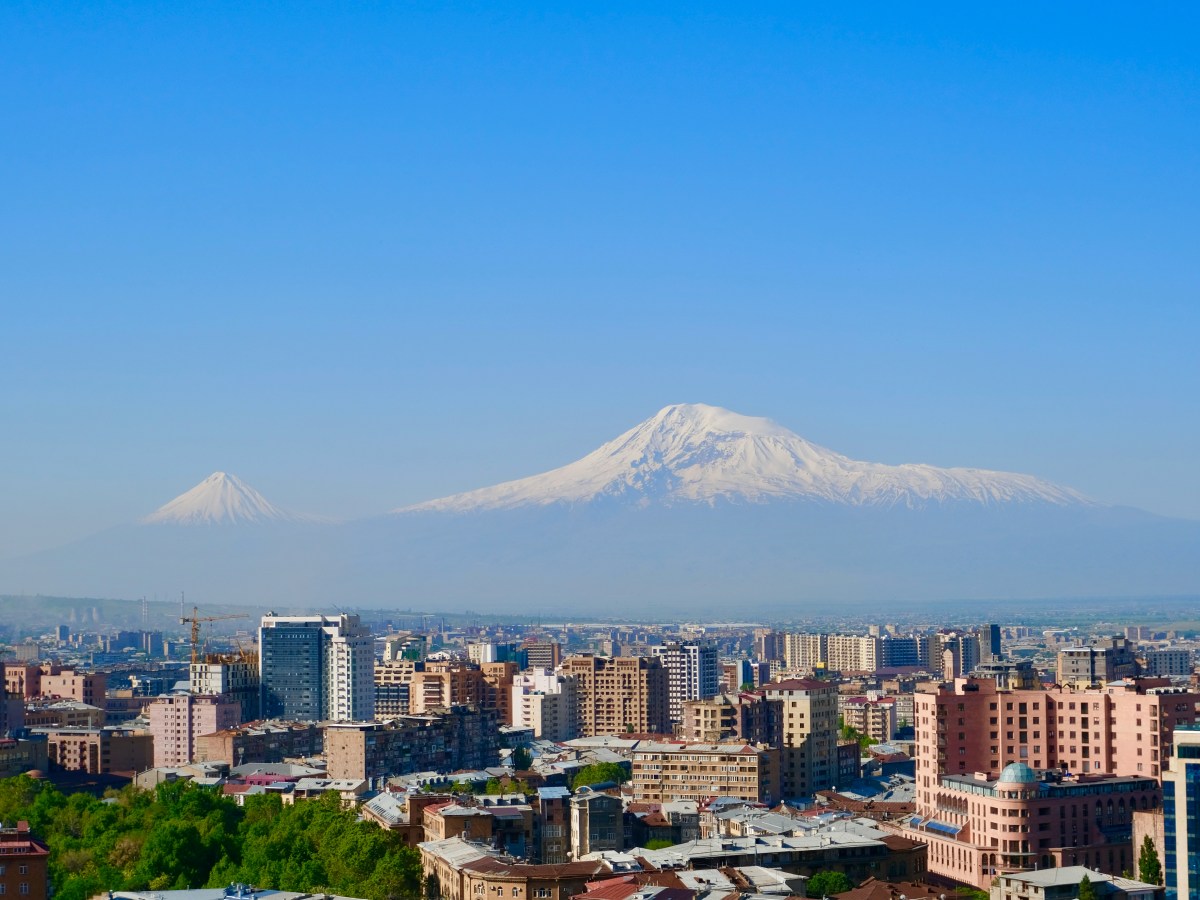
Armenia’s precarious balancing act
By the end of 2023, Armenia found itself in a perilous position. The decades-long Nagorno-Karabakh conflict between Azerbaijan and Armenian-backed proxies ended in September 2023 with an Azerbaijani offensive into the disputed region and a swift victory.

From War-Torn Gaza to New York’s Shores of Liberty
On a brisk Saturday morning in February, I sat in the passenger seat of a car as it drove past the St. George Ferry Terminal. We were not far from where, in 1865, the “Statue of Liberty Enlightening the World” was conceived as a gift to honour the United States’ new ideals of democracy.

Earthquake preparation in Turkey meets the grassroots intiative of the SosyalBen Foundation
With just over a year having passed since twin quakes devastated central and southern parts of the country, Turkey remains in the grip of earthquake fear.

Waiting for Yennayer: the long road to linguistic equality in Morocco
This year will mark twenty years since the first Tamazight lessons were taught in Moroccan classrooms.

13 Years On: Bahrain’s Post-Revolution Repression Continues
Wednesday, February 14, marks thirteen years to the day since hundreds of thousands of peaceful protestors took to the streets in Bahrain, demanding democracy and an end to corruption.

Nasreddine Dinet: The painter who changed the shape of Orientalist art
In the nineteenth and early twentieth centuries, European imperialism in the Global South was justified and glorified by many in the West. However, Algeria, which endured over a century of brutal French rule until 1962, became the permanent residence of Etienne Dinet, a painter of the “Orientalist” school who truly knew and loved the region he studied and painted.

Reluctant But Ready: Nasrallah’s January Speeches
On January 2nd 2023, an Israeli drone strike in Dahieh, a southern suburb of Beirut with a strong Hezbollah presence, targeted and killed Hamas deputy leader Saleh al-‘Arouri. In response, Hezbollah Secretary General Hassan Nasrallah gave a pair of speeches, one on January 3rd and one on January 5th.

Hero of the Motherland or International Terrorist? Another look at Qasem Soleimani’s controversial personal brand
The horrific terrorist attack on civilians during the ceremony commemorating the death of General Qasem Soleimani on January 3, 2024 has reignited discussion on Soleimani’s complex legacy.
The UAE’s Clean Energy Sector: Navigating Green Labour Market Dynamics, Challenges, and Policy Responses
In recent years, the UAE has been actively seeking to position itself as a global leader in renewable energy projects and investments. The Gulf country publicly recognizes the benefits of transitioning towards clean energy policies for ensuring long-term national economic security.

Difficulties of detail
Özavci, Ozan. Dangerous Gifts: Imperialism, Security, and Civil Wars in the Levant 1798–1864. Oxford: Oxford University Press, 2021. 432 pp. ISBN 978-0198852964.

China’s stance on the Israel-Gaza War — Shifting Power Dynamics in the Region
By Jocelyn Chau, St Antony’s College, Oxford On October 7, Palestinian militant group Hamas launched an unprecedented assault on Israel, where more than 1,200 were killed and 200 were taken hostage. Israel responded with a series of airstrikes targeting hospitals, refugee camps, and UNRWA facilities, resulting in the deaths of over 15,000 Palestinians. As the Israel-Hamas war continues and the…

COP28: Hydro-Diplomacy and Water Resource Recommendations
By R. Clarke Cooper, Sebastian Valdivieso, Moss Makhoulian, Julius Patta, and Lujaen Basri As the United Nations Climate Change Conference – COP28 convenes, climate change conditions are reshaping the global landscape, with impacts likely intensifying in the coming decades. The most critical aspect of climate change is water scarcity, which poses a substantial existential concern directly associated with the sovereignty…

Gaza as Karbala? An Analysis of Hassan Nasrallah’s Speech
By Jonathan Cole, St Anne’s College On 3 November, the Secretary General of Hezbollah, Hassan Nasrallah, delivered a fiery televised address to commemorate “the martyrs on the road to Jerusalem” of the 2023 Gaza War. With supporters gathered in Dahieh, the predominantly Shi‘i southern suburb of Beirut, he stated that his party had been at war with Israel since 8…
Calling for a ceasefire in Gaza
By the OMER Managing Editors Henna Moussavi | Miriam Aitken | Charles Ough Over recent weeks, the Israeli government has subjected the Gaza Strip, and the millions of Palestinians living in it, to an indiscriminate and violent siege. The actions of the Netanyahu administration came in response to an attack by Hamas on 7 October, which killed around 1,200 civilians…
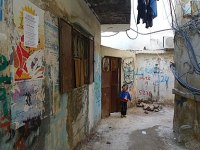
Dahieh: a visit to Beirut’s southern suburbs
Sorley Mosedale, Pembroke College, Oxford An amalgam of Palestinian refugee camps and Hezbollah-affiliated Shia neighbourhoods, the notorious Dahieh district has long been at the centre of several issues within the Middle East and North Africa (MENA) region. From wars with Israel to the growing influence of Iran, Dahieh’s turbulent past has left it in a state of isolation and destitution.…

The Vilnius Summit: NATO’s new strategic initiatives in the MENA
The 2023 NATO Summit, held in Vilnius, Lithuania on 11 and 12 July, was one of the most watched international meetings of the year with important developments such as Turkish President Recep Tayyip Erdogan lifting his opposition to Sweden’s membership on the eve of the summit. The alliance also reaffirmed commitments and discussed future operations in the Middle East.

An Interview with a Queer Egyptian
In the Middle East, LGBTQ+ individuals are routinely demonized for being “sinful” to the prevailing religion of that region: Islam. Worst of all, in Yemen, Iran, Saudi Arabia, the United Arab Emirates, and Qatar, homosexuality is punishable by death. The persecution LGBTQ+ individuals face is reflected in the interview below that I conducted with a young Queer Egyptian.

Bahrain’s latest test as prison crisis escalates into the largest hunger strike in the history of Jau Prison
Hundreds of inmates at Bahrain’s Jau Prison are on hunger strike: As the unrest spreads to the streets, will the authorities learn from past crackdowns and accept protestors’ demands?
 The Oxford Middle East Review