By Dana AlOrainan, Master’s Graduate in Law at London School of Economics
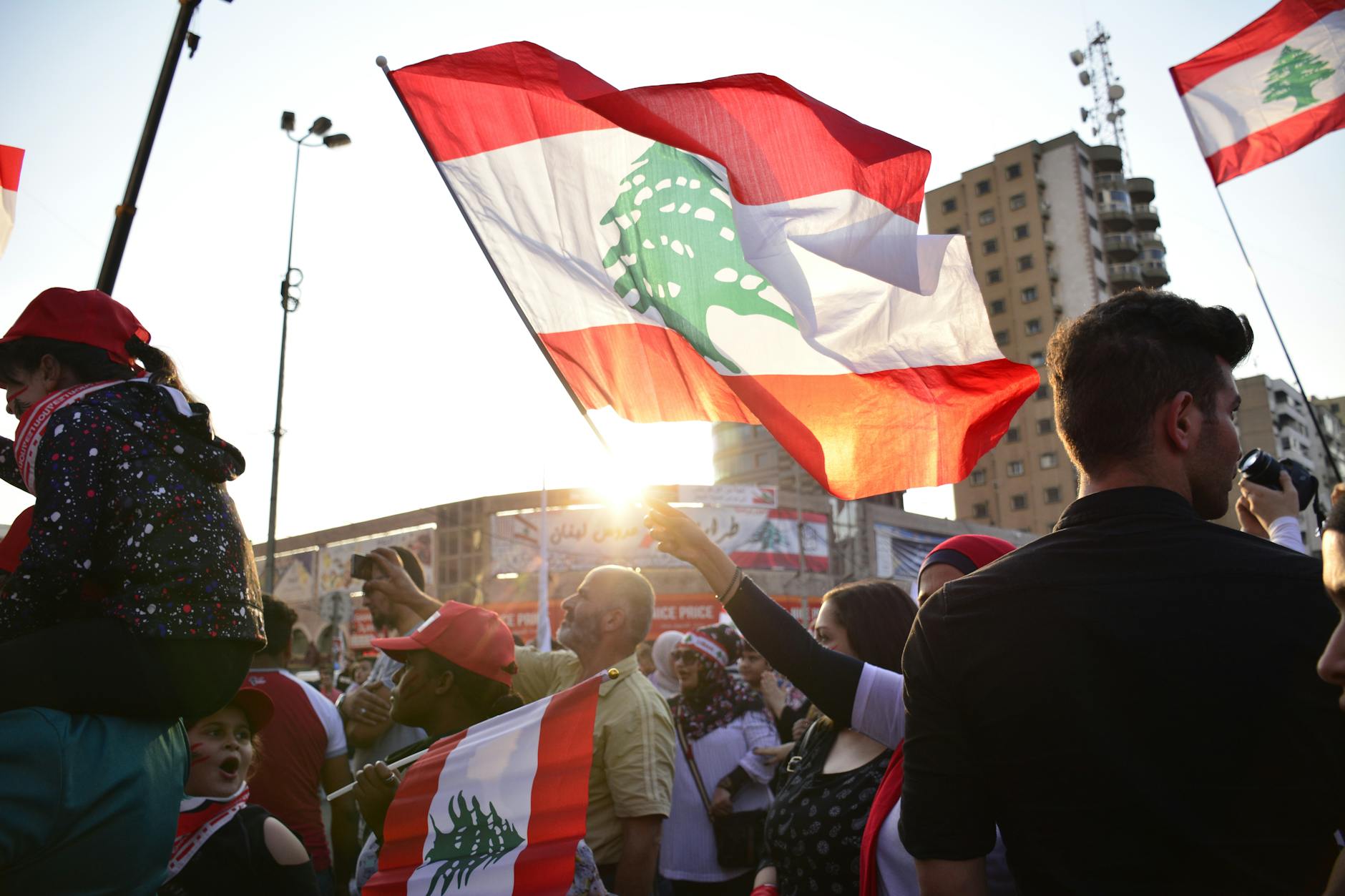
Lebanon’s intricate religious power-sharing governance structure reserves the presidency for a Maronite Christian, the prime ministership for a Sunni Muslim, and the role of speaker of parliament for a Shia Muslim. Intense political divisions and a persistent parliamentary impasse had left the country without a president for over two years, following the end of Michel Aoun’s term on 30 October 2022. The prolonged deadlock stalled efforts to alleviate Lebanon’s crippling economic crisis and political unrest. On 9 January 2025, Lebanon finally elected Joseph Aoun as the nation’s 14th president. Aoun’s extensive military background could bring a sense of cautious relief to the Lebanese people, as they seek to navigate the complex dilemmas the country has faced over the last couple of years. Though he will inherit vast economic and political challenges, the election of Joseph Aoun marks an important step towards peace and stability for Lebanon – provided that he manages to uphold the promises made during his inauguration.
Two Years of Turmoil: Lebanon’s Economic State
The World Bank ranked Lebanon’s financial crisis ‘among the most severe crisis episodes globally since the mid-nineteenth century’. Over the last two years, Lebanon faced economic collapse caused by failed monetary policies, only exacerbated by the leadership vacancy. The economic crisis was marked by a devalued currency, hyperinflation, and extensive poverty. The accelerated devaluation of the Lebanese currency caused food prices to reach an all-time high increase of 483.15% in January 2022, and electricity prices to rise by 600% by June 2022. In a poor attempt to grapple with fuel shortages, Lebanon raised fuel prices by 66% in August 2022. This massive inflation caused many basic necessities to become luxuries not all could access. With the financial system paralysed, banks imposed rigid monetary policies, leading to most Lebanese people being unable to access their savings.
Military Struggles Amid Political Unrest
While facing social agitation and political divisions, the Lebanese Armed Forces (LAF) struggled to address challenges within the region, suffering from low funding and a shortage of equipment caused by the economic crisis. Simultaneously, Hezbollah grew in influence, particularly in southern Lebanon, as they engaged in periodic clashes with Israel along the border. This disparity caused a power imbalance and heightened tensions between Hezbollah and the Lebanese army. The added internal pressure caused by factions of opposing political and sectarian religious groups complicated the military’s ability to maintain social order and prevent escalating tensions. Sharing a border with Syria and Israel places further external pressure on Lebanon’s already under-funded military, undermining the Lebanese Army’s capacity to concentrate on sustaining internal stability.
Joseph Aoun’s Profile
After receiving an overwhelming 99 out of 128 votes in parliament after the second round of the electoral session, Joseph Aoun, born on 10 January 1964, was sworn in as the official president of Lebanon on 9 January 2025. Prior to assuming office, Aoun served as a commander in the Lebanese Military. After joining the Lebanese army in 1983, Aoun trained abroad, in the United States and Syria, undergoing counter-terrorism training in the former. In March 2017, Aoun was appointed commander-in-chief of the LAF by the Lebanese government. During his military career, Aoun led successful operations like ‘Operation Jroud Dawn’ against the Islamic State and Al-Nusra Front. Joseph Aoun’s political influence grew due to his military position, having famously spoken out against the economic crisis in 2021 during a meeting with the commanders of major units and command staff, where he commented on the economic crisis’ effect on himself as a Lebanese citizen and a member of the armed forces.
Challenges Ahead for Aoun
‘Today, a new phase in Lebanon’s history begins,’ Aoun told lawmakers after being sworn in, adding that he would call on ‘quick parliamentary consultations’ to name a new prime minister. Given the country’s ongoing security, economic, and political crises, it is no doubt that Joseph has a multitude of issues to face lying ahead. Aoun is expected to uphold the Israel-Hezbollah ceasefire signed on 27 November 2024. Another major task for Aoun is to reinstate the role of the Lebanese military, especially in the south of Lebanon, where the LAF’s position has been contested by the presence of Hezbollah and the Palestine Liberation Organization. The secretary general of the Lebanese National Bloc party, Michel Helou, stated: ‘There is no clear way to disarm Hezbollah, but if [Aoun] wants to be remembered he will have to deal with them’, highlighting the perceived importance of containing Hezbollah to re-establish Lebanese sovereignty. Furthermore, Aoun’s outspoken stance against the economic crisis in 2021 is significant, as he now faces the challenge of navigating a six-year long financial downturn and stalled discussions with the International Monetary Fund. The endorsement of Aoun by influential regional and global players like Saudi Arabia and the United States strengthens his position and the possibility of navigating the Lebanese economic and political crises more cohesively, while the United Kingdom has also expressed its preparedness to support vital reforms under Aoun.
The two-year presidential vacancy had allowed Lebanon’s pre-existing economic crisis and political unrest to snowball into a critical international issue in need of an immediate call for action. Joseph Aoun’s election is only the first step in tackling the crisis. Considering Aoun’s endorsements and backing by Saudi Arabia, the United States, and the United Kingdom, in the event that Aoun upholds his promises of economic, political, and judicial reform, coupled with successful deliberations with major NGOs like the IMF and the UN meant to garner their support in Lebanon’s economic and political reform, a brighter and more stable economic and political future is could lie ahead for Lebanon.

